
A creation perspective recognizes that God is the sovereign Creator and rightful owner of all things, which means humanity serves as stewards rather than owners of the earth and its resources. This theological foundation changes everything about how followers of Christ approach environmental care, consumption, and our relationship with the natural world.
Understanding God as Creator isn’t simply an intellectual belief about origins. It establishes a framework for daily living that acknowledges we are caretakers of something that belongs to Someone else. When Genesis reveals that God looked at creation and called it “very good,” we see His delight in the physical world He made. That goodness wasn’t diminished when sin entered the picture; it was marred but not erased.
Too often, conversations about environmental responsibility feel either disconnected from faith or overly politicized. But a biblical creation perspective offers something different: it roots our care for the earth in worship of the One who made it. This isn’t about embracing secular environmental movements or ignoring them entirely. It’s about returning to what Scripture has always taught about God’s ownership, human responsibility, and the redemption story that includes all of creation.
This article explores how recognizing God as Creator shapes practical stewardship, what key biblical principles guide this perspective, and how Christians can live out creation care in everyday decisions. Whether you’re wrestling with what the Bible really says about environmental responsibility or looking for practical ways to honor God through how you treat His creation, understanding this foundation matters deeply for faithful living in 2026 and beyond.
What It Means to Recognize God as Creator and Owner

A creation perspective begins with a simple but profound truth: God made everything, and it still belongs to Him. When Christians recognize God as Creator and Owner, we’re acknowledging that the earth and all its resources aren’t ours to do with as we please. Instead, we’re guests in His world, caretakers of property that was never ours to claim.
This perspective goes deeper than just acknowledging God started things rolling. Genesis 1:1 tells us “In the beginning God created the heavens and the earth,” establishing His role as originator of all that exists. But God didn’t create the world like a watchmaker who winds up a clock and walks away. He remains intimately involved with His creation, sustaining it moment by moment.
- Creation Perspective
- A worldview that recognizes God as the active Creator and ongoing sustainer of all things, shaping how we interact with the natural world.
- Divine Ownership
- The theological truth that God possesses ultimate authority and rights over creation because He made it and continues to uphold it.
- Stewardship
- The responsibility humans have to manage and care for God’s creation on His behalf, as trusted caretakers rather than ultimate owners.
- Sovereignty Over Creation
- God’s complete authority and rule over every aspect of the natural world, from galaxies to individual sparrows.
Psalm 24:1 makes God’s ownership explicit: “The earth is the Lord’s, and everything in it, the world, and all who live in it.” Notice the scope, everything, not just spiritual matters or church buildings. The forests, oceans, animals, minerals, even the atmosphere belong to God. Colossians 1:16 expands this further, explaining that “all things have been created through him and for him.” Creation exists for God’s purposes and pleasure, not primarily for ours.
Understanding this shifts everything. When we grasp that we’re living in God’s world, using God’s resources, and caring for God’s creatures, our relationship with creation changes from exploitation to responsibility. We’re not autonomous owners free to use and discard as we wish. We’re stewards answerable to the One who entrusted His world to our care.
How a Creation Perspective Works in Practice
The Stewardship Model
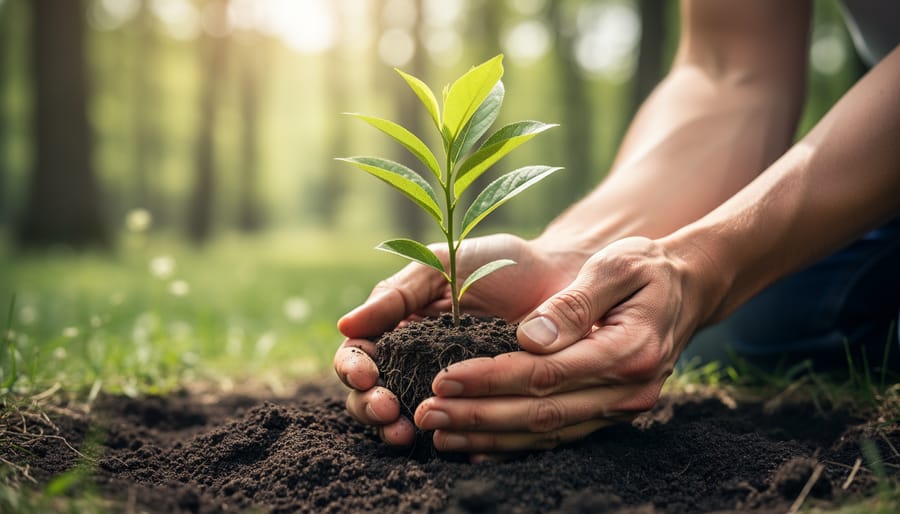
The stewardship model reframes our relationship with creation entirely. Rather than treating the earth as something we possess, we recognize ourselves as managers entrusted with God’s property. This distinction matters deeply. Property owners can do whatever they please with their possessions, but managers operate under the authority of the true owner, making decisions that honor the owner’s values and vision.
Biblical stewardship draws heavily on Jesus’s parable of the talents in Matthew 25:14-30. In this story, a master entrusts his servants with resources and expects them to manage those resources wisely during his absence. When he returns, each servant must account for what they did with what was entrusted to them. The faithful stewards are those who invested and multiplied what they received, not those who simply preserved it or, worse, neglected it.
Applied to creation, this means God has given us temporary management responsibilities over a world that ultimately belongs to Him. We’re called to tend, protect, and wisely use the resources He’s provided, knowing we’ll one day answer for how we handled His trust.
Accountability to the Creator
When we truly grasp that the earth belongs to God, it changes everything about our decision-making. We’re not autonomous owners free to exploit resources however we please. Instead, we’re accountable stewards who will answer to the Creator for how we’ve managed what He entrusted to us.
Scripture consistently teaches this accountability. Jesus told parables where servants gave account for their management of the master’s property (Matthew 25:14-30). Paul reminded the Corinthians that “we must all appear before the judgment seat of Christ” (2 Corinthians 5:10). While these passages primarily address spiritual stewardship, the principle extends to everything God has placed under our care, including creation itself.
This accountability isn’t meant to produce paralyzing fear. Rather, it cultivates thoughtful responsibility. Before making choices about consumption, waste, or resource use, we can ask: “How would I explain this decision to God?” That simple question reframes our relationship with creation. We move from asking “Can I do this?” to “Should I do this as someone managing God’s property?”
This perspective transforms environmental care from optional preference into faithful obedience.
Essential Components of a Biblical Creation Perspective
Creation’s Inherent Goodness
When God surveyed His creative work in Genesis, He didn’t call it adequate or functional, He declared it “good.” This Hebrew word tov appears seven times in the first creation account, climaxing with “very good” after humanity’s creation. That repetition wasn’t literary flair; it was theological declaration. The physical world, dirt and oceans, insects and ecosystems, carries inherent value because God stamped His approval on it.
This goodness exists independently of human use. Mountains glorify God whether we hike them or not. Wetlands fulfill their purpose even when inconvenient to development. The declaration means creation has worth in God’s eyes beyond its utility to us. Romans 8 creation groans under the weight of sin, but the original goodness wasn’t erased, it’s marred, waiting for restoration.
Recognizing this inherent goodness reshapes how we treat the natural world. Destruction of habitats or pollution of waterways doesn’t just harm resources; it defaces something God called good. Stewardship starts with seeing creation through God’s evaluative lens, not just our economic one.
Humanity’s Image-Bearer Status
Being made in God’s image (Genesis 1:27) gives humanity a unique dignity and a corresponding responsibility. We don’t just manage creation, we represent the Creator Himself in how we care for it. When God entrusts us with stewardship, He’s inviting us to reflect His character: His creativity, His nurturing love, His desire for flourishing. Just as a good father tenderly cares for what he’s made, we’re called to mirror that same tenderness toward the earth. Our treatment of creation reveals what we truly believe about God. Do we see Him as wasteful or wise, careless or compassionate? When we steward creation faithfully, protecting vulnerable ecosystems, using resources thoughtfully, honoring the intricate design we encounter, we’re displaying God’s image to a watching world.
Creation’s Groaning and Hope
Creation isn’t waiting passively for rescue, it’s groaning, Paul tells us in Romans 8:19-22, like labor pains before new birth. The entire created order, “subjected to frustration,” eagerly anticipates the day when God’s children are fully revealed and creation itself is “liberated from its bondage to decay.” This isn’t poetic language about nature’s beauty. It’s a reminder that sin fractured everything, not just human relationships with God. The mountains, rivers, and creatures all feel the effects of the fall and long for restoration.
This changes how we see creation care. We’re not just protecting resources or preserving habitats for our grandchildren. We’re participating in God’s larger story of redemption that encompasses all He has made. Every act of environmental stewardship becomes a foretaste of the coming renewal, a small reflection of the world being made new. Creation groans now, but it won’t groan forever.
Where This Perspective Is Applied in Daily Life
When you recognize that God owns creation, that truth doesn’t stay theoretical, it rewrites your relationship with everything around you. Your morning coffee choices, weekend plans, and household budget suddenly become opportunities to honor the One who entrusted this world to your care.
Start where you are. In your daily routine, this perspective might mean choosing products with less packaging, reducing food waste by planning meals thoughtfully, or simply pausing to thank God for the water flowing from your tap. These aren’t legalistic requirements but natural responses to recognizing God’s generosity and ownership. When you see resources as gifts rather than rights, gratitude replaces entitlement.
In your home and family life, creation care becomes a shared practice. You might start composting kitchen scraps, switching to reusable containers, or creating a backyard habitat for local wildlife. Parents can teach children to see creation through God’s eyes by gardening together, learning about animals, or taking regular walks where you notice seasonal changes and marvel at God’s design. These moments shape how the next generation understands their place in God’s world.
Your church community offers powerful opportunities to lead environmental stewardship together. Congregations are implementing creation care in tangible ways:
- Installing solar panels or improving building energy efficiency
- Creating community gardens that provide fresh food and fellowship
- Organizing neighborhood cleanup days or tree-planting events
- Partnering with environmental organizations on local restoration projects
- Incorporating creation themes into worship, teaching, and small group studies
Beyond your immediate circles, this perspective can shape how you participate in broader systems. You might advocate for policies that protect vulnerable communities from pollution, support businesses committed to sustainable practices, or use your professional skills to address environmental challenges. Some Christians feel called to careers in conservation, renewable energy, or sustainable agriculture, vocations that directly care for God’s property.
The key is starting small and staying consistent. You don’t need to revolutionize your entire life overnight. Pick one area where God is nudging you, take that first faithful step, and trust that stewarding even a small corner of His creation matters deeply to the One who owns it all.
Common Questions About God’s Ownership and Our Responsibility
Understanding what it means to recognize God’s ownership often raises important questions for Christians who want to be faithful stewards without losing sight of the gospel. These concerns are natural and deserve thoughtful, biblical responses.
Isn’t Earth temporary, so why should we care for it?
While creation won’t last forever in its current form, God calls us to faithful stewardship of what He’s entrusted to us now. Just as we wouldn’t neglect our bodies or families because heaven awaits, we care for creation because it’s God’s property and reflects His glory today.
Does environmental concern distract from sharing the gospel?
Creation care doesn’t compete with evangelism, it demonstrates the gospel’s scope and power. When we steward creation well, we show that Christ’s redemption extends to all things (Colossians 1:20), making our witness more compelling and holistic.
How do we balance human needs with caring for the rest of creation?
The same God who owns creation made us image-bearers with unique dignity and responsibility. We honor both by meeting legitimate human needs through sustainable practices that protect the ecosystems supporting all life, rather than exploiting creation in ways that ultimately harm people too.
What if I can’t do everything perfectly?
God doesn’t expect perfection, He asks for faithful obedience with what we’ve been given. Start with one small change, whether reducing waste, choosing sustainable products, or learning more about the Genesis creation stories that ground our care.
These questions reflect real struggles many believers face when connecting faith to environmental responsibility. The beauty of a creation perspective is that it doesn’t add burdens but clarifies our existing calling as people who worship the Creator. You don’t need all the answers to begin stewarding well, just a heart willing to honor God’s ownership in practical ways.
When you understand that God is the Creator and Owner of all things, caring for the earth stops being a political issue or environmental trend. It becomes part of who you are as His image-bearer. Every time you make a choice that honors creation, you’re reflecting the character of the One who called it all “very good” and entrusted it to your care.
You don’t need to be perfect or do everything at once. Start where you are. Maybe it’s reducing waste in your home, choosing products that respect God’s resources, or simply pausing to thank Him for the beauty around you. Perhaps it’s joining with your church community to care for creation in practical ways, or speaking up for policies that protect the vulnerable and the land they depend on.
Remember that this work is hopeful, not hopeless. You serve the God who promises to make all things new, including creation itself. Your faithful stewardship today is a small but meaningful echo of His redemptive love for everything He has made. It’s an act of worship that says, “What You made matters because You made it, and I’m honored to care for what belongs to You.”