
Archaeological scholarship offers believers a powerful lens for understanding the Bible’s historical and cultural context, and while the Journal of Archaeological Methods and Theory doesn’t actually have a Volume 110 (the journal numbers volumes sequentially by year since its launch in 1994), the principles of archaeological methodology can profoundly enrich how we engage with Scripture. When you learn to read excavation reports, pottery chronologies, and stratigraphic analysis, the ancient world of the Bible comes alive in unexpected ways. The psalmist’s reference to city gates, Paul’s letters to urban congregations, and Jesus’ parables about daily life all gain fresh clarity when you understand the physical realities of ancient Near Eastern culture.
Archaeological methods bridge the gap between devotional reading and scholarly study without requiring a PhD. These techniques help answer questions like: What did first-century Galilean homes actually look like? How do we know when biblical cities were inhabited? What can ancient inscriptions tell us about the people who first heard God’s Word? The beauty of archaeological research is that it doesn’t replace faith. It deepens it by grounding Scripture’s timeless truths in real places, real objects, and real human stories.
For Christians seeking to grow in biblical literacy, archaeological scholarship provides tools that complement prayer and meditation. Understanding excavation methodology, artifact analysis, and cultural context transforms Bible study from surface-level reading into a richer encounter with the text. This approach honors both the spiritual authority of Scripture and the historical reality of God’s work among His people. The goal isn’t to prove faith through artifacts, but to illuminate the world our spiritual ancestors inhabited and the God who met them there.
Why Archaeological Methods Matter for Bible Readers
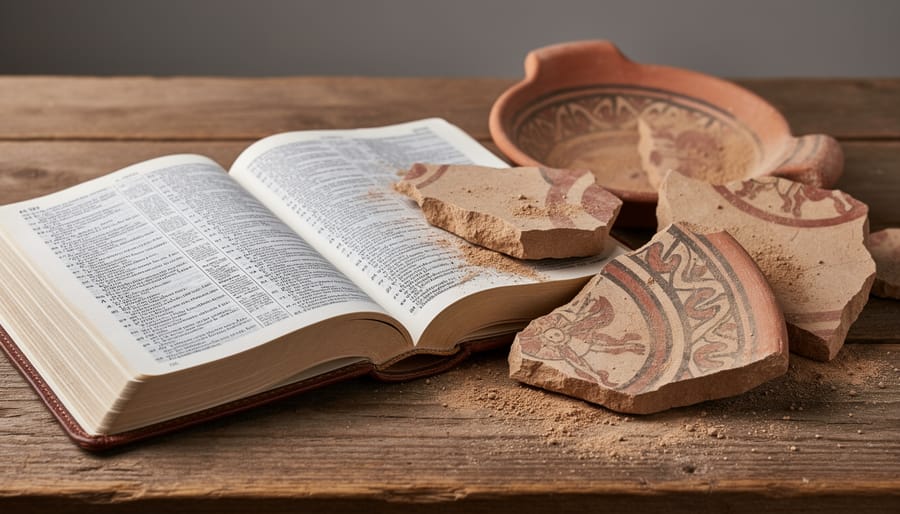
When you open your Bible and read about a widow’s lamp oil miraculously multiplying or Jesus teaching in Capernaum’s synagogue, archaeological methods transform these accounts from abstract spiritual truths into vivid historical realities. The physical evidence uncovered through careful excavation and analysis does something profound for believers: it anchors Scripture in real places where real people experienced God’s work. Rather than merely reading about ancient cities, you can now understand how people lived in them, what their homes looked like, and what daily challenges they faced.
Archaeological approaches validate the historical reliability of biblical accounts in ways that strengthen faith. Excavations have confirmed the existence of cities, kings, and cultural practices mentioned in Scripture that critics once dismissed as mythical. When archaeologists uncover a seal bearing the name of a prophet or official mentioned in Kings or Chronicles, they demonstrate that these weren’t fictional characters but actual people who walked specific streets and governed real territories. This material evidence doesn’t replace faith, but it provides tangible confirmation that the biblical world was grounded in history.
Beyond validation, archaeological evidence contextualizes Scripture in ways that unlock deeper meaning. Understanding how first-century Jewish families structured their homes explains why Jesus spoke about lamps under baskets or women sweeping for lost coins. These weren’t random illustrations but references to everyday experiences his listeners immediately recognized. When you learn that ancient oil lamps provided minimal light and required constant attention, parables about wise and foolish virgins carry practical weight you might otherwise miss.
The scholarly methods archaeologists employ also teach Bible readers how to approach Scripture with careful observation and respect for context. Just as archaeologists meticulously document the position and relationship of artifacts before drawing conclusions, believers can learn to notice textual details, historical settings, and cultural backgrounds before interpreting meaning. This discipline protects against reading modern assumptions into ancient texts while opening pathways to richer understanding of God’s Word in its original setting.
Understanding Archaeological Theory and Its Connection to Scripture
Material Culture and Daily Life in Biblical Times
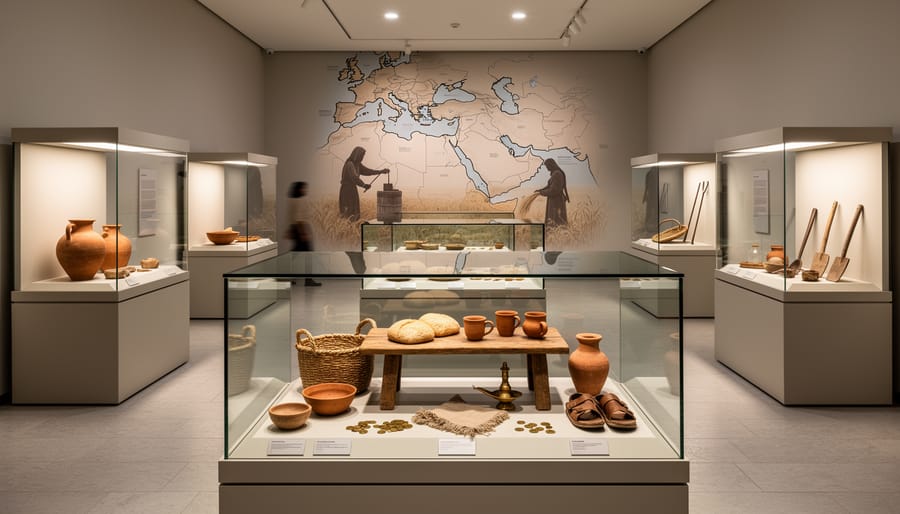
When Jesus spoke of lamps hidden under baskets or women searching for lost coins, his listeners pictured specific objects they handled daily. Archaeological discoveries of oil lamps, clay storage jars, grinding stones, and bronze coins bring these familiar images to life for modern readers. A first-century oil lamp, small enough to cup in your hand, cast barely enough light to navigate a single room, suddenly the urgency of the wise virgins’ oil supply makes visceral sense.
Household artifacts reveal rhythms of biblical life that text alone can’t convey. Excavated cooking pots show scorch marks from open fires, while storage vessels bear residues of olive oil, wine, and grain. These aren’t museum curiosities; they’re the tools Mary used to prepare meals, the jars servants filled at Cana, the millstones Jesus referenced when discussing judgment.
Agricultural implements, bronze sickles, wooden plows, threshing sledges, illustrate the labor-intensive world of biblical parables. When Jesus described a farmer scattering seed or workers harvesting wheat, he painted pictures rooted in backbreaking physical work his audience knew intimately. Holding a reproduction of a Roman-era sickle or examining photos of reconstructed plows helps us grasp why agricultural imagery saturated his teaching.
Even simple items like bone needles, wooden combs, or children’s toys humanize Scripture’s people. They mended clothing, groomed hair, and entertained children just as we do. Material culture doesn’t replace Scripture, it fills in the sensory details that help us see God’s word taking place in a real, tangible world.
Dating Methods and Biblical Chronology
Archaeological dating techniques serve as powerful allies for believers seeking to understand the timeline of biblical events. When archaeologists uncover pottery shards, building foundations, or ancient texts, they employ scientific methods to determine when these artifacts were created and used. This dating work helps confirm the historical framework Scripture describes.
Radiocarbon dating measures the decay of carbon-14 in organic materials like wood, bone, or seeds, providing dates accurate to within decades for items up to 50,000 years old. For Bible students, this means archaeologists can date grain found in storage jars at Jericho or wooden beams from Solomon’s era, anchoring biblical narratives in measurable time.
Pottery chronology offers another reliable dating method. Ancient cultures developed distinct pottery styles during specific periods, creating what archaeologists call a “ceramic sequence.” When excavators find a particular pottery type beneath a destruction layer mentioned in Scripture, they can confirm both the event’s occurrence and its approximate date.
Stratigraphy, the study of archaeological layers, works like reading chapters in earth’s history book. Lower layers are older, upper layers younger. When archaeologists carefully excavate sites layer by layer, they reconstruct centuries of occupation, sometimes revealing multiple periods of biblical significance at a single location.
These methods don’t replace faith; they enrich it. Dating techniques give us confidence that biblical events happened in real time and space, strengthening our trust in Scripture’s historical reliability while deepening our appreciation for God’s work throughout history.
Practical Archaeology-Informed Bible Study Methods

Reading Scripture with Archaeological Eyes
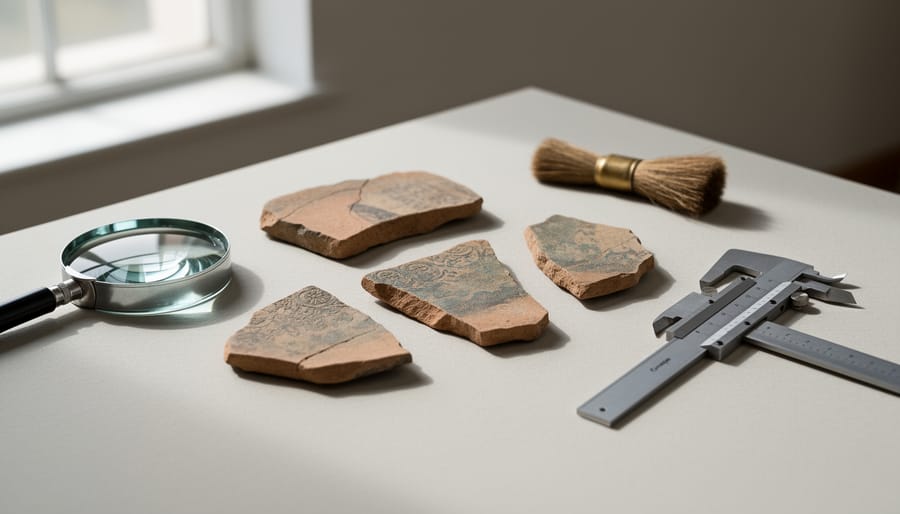
Reading Scripture with archaeological eyes begins with slowing down to notice the physical world described in the text. When Jesus teaches in a synagogue, archaeological findings reveal what that building looked like, stone benches lining the walls, a central platform for reading Torah, perhaps a mosaic floor underfoot. When Paul travels between cities, understanding Roman road systems and typical travel distances helps you grasp the exhaustion and danger he faced. This attentiveness transforms Bible reading from abstract concepts into tangible reality.
Start by highlighting physical objects, locations, and activities in a passage you’re studying. Ask yourself: What did this look like? What materials were involved? How did people actually do this? Then consult archaeology-informed resources, study Bible notes, archaeological atlases, or museum catalogs, to fill in those details. For example, when reading about Mary’s alabaster jar of perfume, learning that such jars were sealed and required breaking to open suddenly makes her act of worship more profound and costly.
Integrating these insights with traditional Bible study methods creates richer understanding. You’re not abandoning devotional reading or theological reflection; you’re adding layers of context that make Scripture’s human drama more vivid and God’s involvement in real history more evident. Archaeological awareness helps you see what the original audience saw, bringing you closer to the world Jesus walked.
Cross-Referencing Biblical Accounts with Archaeological Findings
Cross-referencing biblical accounts with archaeological findings doesn’t require an advanced degree, just curiosity and care. Start by identifying physical details in a passage: locations, building materials, trade goods, or cultural practices. Then consult trusted resources like archaeological study Bibles or reputable Christian websites that connect findings to Scripture. For example, when reading about ancient storage jars in a parable, learning that archaeologists have uncovered similar vessels helps you picture the scene more vividly.
Approach this work with humility. Archaeology supports Scripture’s historical reliability, but it’s an incomplete record, absence of evidence isn’t evidence of absence. When findings align with biblical accounts, celebrate the confirmation. When questions remain, trust that God’s Word stands firm regardless of what we’ve yet to uncover. Use archaeology as a conversation partner, not a judge of Scripture’s truth.
As you dive deeper into this approach, keep Jesus at the center. Let archaeological context enrich your understanding of how people lived, worshiped, and encountered God, always remembering that Scripture’s ultimate purpose is revealing Christ and drawing us closer to Him through the power of the Holy Spirit.
Trusted Resources for Archaeology-Informed Bible Study
Building a personal library of archaeology-informed study tools can transform how you engage with Scripture. The good news is that you don’t need a seminary degree or access to academic journals to benefit from archaeological insights. Many resources designed for everyday believers make this scholarship accessible while maintaining a Christ-centered perspective.
Study Bibles remain your best starting point. The ESV Archaeology Study Bible and the NIV Cultural Backgrounds Study Bible include notes written by believing scholars who explain archaeological findings relevant to each passage. These notes help you understand what first-century homes looked like, how ancient markets functioned, and what everyday objects mentioned in Scripture actually were. Unlike academic journals, these study Bibles present information in bite-sized portions alongside the biblical text itself.
For online resources, offers photo galleries and articles about archaeological sites mentioned in Scripture, all from a faith-affirming perspective. The Associates for Biblical Research website provides accessible articles that address archaeological questions believers commonly ask. Both sites translate scholarly findings into language non-specialists can understand, helping you see connections between excavations and your Bible reading without overwhelming technical jargon.
| Resource Type | Accessibility Level | Faith Perspective | Best Use |
|---|---|---|---|
| Archaeological Study Bibles | Beginner-friendly | Christian evangelical | Daily reading with contextual notes |
| General audience | Faith-affirming | Visual learning and site research | |
| Museum exhibits (digital/in-person) | Family-friendly | Educational, respectful | Tangible artifact engagement |
| Associates for Biblical Research | Intermediate readers | Conservative Christian | Addressing specific archaeological questions |
Museums offer another valuable avenue. The British Museum, Museum of the Bible, and Israel Museum provide online collections where you can view artifacts from biblical times. Seeing an actual Roman coin, ancient oil lamp, or first-century fishing boat helps Scripture come alive in ways words alone cannot accomplish.
When selecting resources, look for those that complement your existing essential Bible study resources rather than replacing them. Archaeology-informed tools work best alongside commentaries, concordances, and devotional materials. The goal is not to become an amateur archaeologist but to enrich your understanding of the world God’s Word describes, deepening both knowledge and faith.
Recent Archaeological Insights That Illuminate Scripture
Recent archaeological work continues to reveal discoveries that bring biblical narratives into sharper focus, offering believers tangible connections to the world of Scripture. These findings don’t replace faith but enrich it, providing historical texture that can ignite your passion for God’s Word in fresh ways.
Excavations at Tel Abel Beth Maacah in northern Israel have uncovered fortifications and evidence of cultural exchange that illuminate the region where Sheba’s rebellion ended in 2 Samuel 20. The layered ruins show how this border city served as a cultural crossroads, helping us understand why wise women from such places carried influence in resolving conflicts. These physical remains make the biblical account feel less abstract and more grounded in real geography.
Recent work on Iron Age water systems in Jerusalem has clarified how ancient engineers sustained the city during sieges described in 2 Kings and 2 Chronicles. The sophisticated tunnels and channels demonstrate the ingenuity of biblical-era inhabitants and validate the strategic importance of water access mentioned repeatedly in Scripture. When we read about Hezekiah’s tunnel, we can now picture the engineering marvel that kept Jerusalem alive.
Pottery analysis methods discussed in contemporary archaeological journals help scholars identify trade networks throughout the ancient Near East. These studies reveal that goods moved between Egypt, Canaan, and Mesopotamia exactly as Genesis and Exodus describe, confirming the interconnected world the patriarchs navigated. Simple cooking pots and storage jars become witnesses to the accuracy of biblical geography.
Advances in ceramic dating and stratigraphic analysis allow researchers to refine timelines for cities like Jericho, Hazor, and Lachish. While debates continue about specific conquest dates, the material evidence consistently shows destruction layers and cultural transitions during periods corresponding to Joshua and Judges. The archaeological record doesn’t answer every question, but it provides a framework that respects Scripture’s historical claims.
Studies of agricultural practices through seed remains and pollen analysis illuminate parables about sowing and harvesting. We now know more about crop rotation, seasonal patterns, and farming challenges in first-century Galilee, giving Jesus’ agricultural metaphors deeper resonance. The mustard seed parable gains texture when we understand actual cultivation practices in his time and region.
Balancing Faith and Scholarship in Bible Study
Engaging with archaeological scholarship doesn’t mean putting your faith on trial, it means equipping yourself with tools that can deepen your appreciation for Scripture’s historical reality. When you approach archaeological research with a Christ-centered heart, you discover that evidence from the ancient world often confirms rather than contradicts the biblical narrative. The key is maintaining proper priorities: Scripture remains your authoritative foundation, while archaeology serves as a helpful companion that illuminates context and background.
Think of archaeological methods as windows into the world your biblical heroes actually inhabited. When you read about Peter’s home in Capernaum or the Pool of Siloam where Jesus healed the blind man, archaeological discoveries make these places real and tangible. This doesn’t diminish the spiritual truth of these accounts; it anchors them in actual history, reminding us that our faith rests on events that happened to real people in real places. God chose to reveal Himself through history, and archaeology helps us understand that history more fully.
It’s natural to feel uncertain when archaeological interpretations seem to conflict with Scripture. Remember that archaeology deals with incomplete evidence and requires interpretation, scholars themselves often disagree about findings. When you encounter such tensions, approach them with humble curiosity rather than fear. Ask questions, consult multiple perspectives, and give Scripture the benefit of the doubt. Throughout history, many supposed contradictions have been resolved as more evidence emerged.
Rather than viewing scholarship as a threat to faith, see it as an opportunity to grow in understanding. The God who created the universe isn’t afraid of our questions or our discoveries. When you study archaeology alongside Scripture, you’re honoring the historical nature of biblical events while maintaining your trust in God’s Word. This balanced approach allows you to appreciate scholarly insights without compromising your faith foundation, enriching both your intellectual and spiritual journey with Christ.
Common Questions About Archaeology and the Bible
Believers approaching archaeological research often wonder how it fits with Scripture and their personal faith journey. These common concerns deserve thoughtful, faith-affirming answers that honor both God’s Word and the insights archaeology provides.
Does archaeology prove the Bible?
Archaeology supports and illuminates Scripture rather than “proving” it, since faith ultimately rests on God’s Word and the Holy Spirit’s testimony. Archaeological findings frequently confirm biblical details about places, people, and customs, strengthening confidence in Scripture’s historical reliability while pointing us back to the spiritual truths at the heart of our faith.
What if archaeological findings seem to contradict Scripture?
Apparent contradictions often reflect incomplete evidence, evolving interpretations, or gaps in our current understanding. Scholars continue refining their methods and discovering new evidence, and many supposed conflicts have been resolved as more information emerges. When questions arise, hold Scripture as your foundation while allowing room for continued discovery.
Do I need special training to benefit from archaeology in Bible study?
No specialized training is required. Accessible resources like archaeology-focused study Bibles, museum exhibits, and Christian archaeological organizations make scholarly insights available to everyday believers. You can enrich your Scripture reading simply by paying attention to physical details in the text and consulting reliable resources when questions arise.
How can I evaluate archaeological claims I encounter?
Look for consensus among reputable scholars rather than sensational headlines, check whether claims come from peer-reviewed sources, and consult trusted Christian organizations that integrate faith and scholarship. Be cautious of extreme claims that either dismissively reject all findings or overstate what archaeology can definitively establish about biblical events.
Remember that archaeology serves your faith journey as a tool, not a test. Just as wrestling with tricky Scripture questions can deepen understanding, engaging thoughtfully with archaeological insights enriches how you read and apply God’s Word. The goal is always deeper knowledge of Scripture that leads to deeper love for Christ and greater confidence in the reliability of the Bible. When you approach archaeology with both humility and curiosity, you’ll find it becomes a gift that helps you walk more closely with the people whose stories fill Scripture’s pages.
Embracing archaeology-informed Bible study is not about replacing faith with scholarship, it’s about enriching your relationship with God’s Word through deeper understanding. When you see the pottery shards of a first-century fishing village or learn how ancient olive presses worked, the parables of Jesus come alive in new ways. The dusty roads of biblical history become pathways you can walk with fresh wonder.
You don’t need a PhD to benefit from archaeological insights. Start where you are. Choose a passage you’ve read dozens of times and ask, “What did this place look like? What tools did these people use? How did they live?” Use the resources we’ve discussed, study Bibles with archaeological notes, reputable websites, museum collections. Let curiosity guide you, and let the Holy Spirit illuminate what you discover.
Archaeological methods aren’t a threat to Scripture’s authority; they’re a window into the world where God chose to reveal Himself. They help us understand the cultural context, the daily struggles, and the magnificent backdrop of redemption history. Every fragment of evidence that aligns with biblical accounts strengthens our confidence that we’re standing on solid ground.
The more you know about the world of the Bible, the more you’ll appreciate the God who entered it. So pick up that archaeology-informed study Bible. Visit that museum exhibit. Join a study group. Your faith won’t shrink, it will expand to fill the beautiful, historically-grounded reality of God’s enduring truth.