
Yes, Biblical Archaeology Review is an excellent magazine for Christians who want to deepen their understanding of Scripture through historical and archaeological evidence. With over five decades of publication, this trusted resource bridges the ancient world and modern faith by illuminating the historical context of biblical events, making Scripture come alive in ways that strengthen belief and enrich personal study.
For believers searching for a magazine subscription in 2026, the question isn’t just whether BAR is good, but whether it’s right for your particular faith journey. If you’ve ever wondered whether the walls of Jericho really fell, where Jesus walked in Jerusalem, or how everyday people lived in biblical times, this magazine answers those questions with scholarly rigor wrapped in accessible writing. The publication respects Scripture while exploring the physical evidence that supports and enriches our understanding of God’s Word.
What makes BAR particularly valuable is its commitment to presenting archaeology without undermining faith. The magazine doesn’t shy away from challenging questions, but it approaches them with intellectual honesty that Christians can trust. You’ll find articles written by respected scholars, stunning photography of archaeological sites, and discoveries that confirm biblical accounts in remarkable ways.
This review evaluates BAR through a distinctly Christian lens, examining how well it serves believers who want to study Scripture more deeply, understand the world of the Bible, and grow in faith through historical knowledge. Whether you’re a pastor preparing sermons, a small group leader, or simply someone who loves learning about biblical history, understanding what this magazine offers will help you decide if it deserves a place in your spiritual library.
Our Verdict: A Bridge Between Faith and Discovery
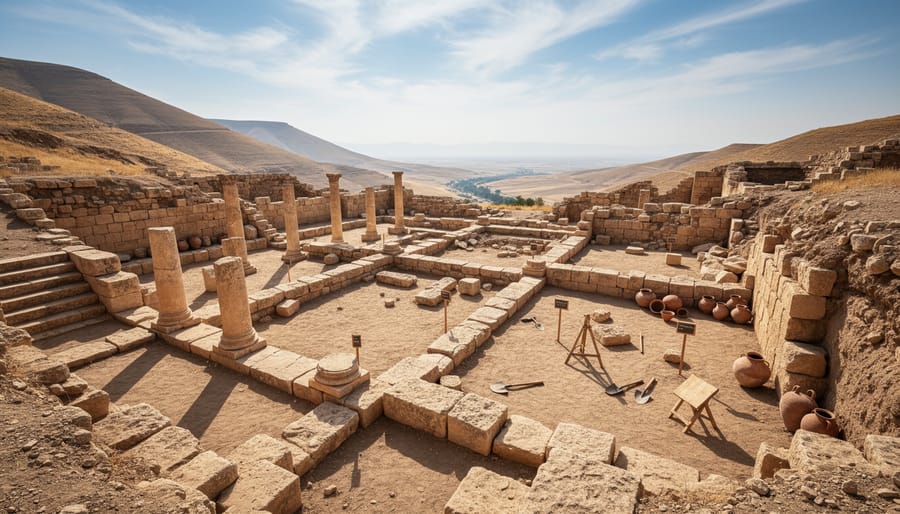
Biblical Archaeology Review earns its place as a trusted companion for Christians who want to walk where Scripture walked. This magazine transforms dusty artifacts and ancient ruins into living testimony that brings the world of the Bible into sharper focus. When you read about excavations in Jerusalem, pottery from the time of King David, or inscriptions that mention biblical figures, you’re not just learning history, you’re seeing the physical footprints of the faith journey that shapes your own.
The magazine’s greatest strength lies in making scholarly discoveries accessible without dumbing them down. You don’t need a theology degree or archaeology background to benefit. Articles explain excavations, analyze artifacts, and explore biblical sites in language that invites rather than intimidates. The visual elements, detailed maps, photographs of excavation sites, reconstructions of ancient buildings, help you picture the dusty roads Jesus traveled and the cities where Paul preached.
That said, Biblical Archaeology Review approaches the Bible primarily as a historical document worthy of scholarly investigation rather than as devotional literature. While this perspective enriches your understanding of Scripture’s historical context, it means the magazine won’t replace your devotional time or Bible study resources. Some articles present archaeological evidence that challenges traditional interpretations, which can feel unsettling if you’re not prepared for academic debate.
For Christians who appreciate seeing their faith supported by evidence, who want to understand the cultural backdrop of Scripture, and who can engage thoughtfully with scholarly perspectives while holding firm to their beliefs, this magazine opens new dimensions of biblical understanding. It’s a resource that deepens rather than replaces your existing study practices.
Who Biblical Archaeology Review Is For
Biblical Archaeology Review speaks to a wonderfully diverse audience within the body of Christ. Whether you’re brand new to studying God’s Word or you’ve been walking with the Lord for decades, this magazine offers something meaningful for your spiritual journey.
This resource particularly serves:
- Christians seeking to understand Scripture in its historical and cultural setting
- Bible study group leaders looking for fresh insights to enrich discussions
- Sunday school teachers and ministry leaders preparing engaging lessons
- Believers curious about how archaeological discoveries confirm biblical accounts
- Readers who appreciate scholarly research presented in accessible ways
- Those who find their faith strengthened by seeing Scripture’s historical foundations
You don’t need a degree in archaeology or theology to benefit from this magazine. The content welcomes readers from all backgrounds, whether you’re exploring the Bible for the first time or you’ve studied it for years. What matters most is your desire to know God’s Word more deeply and to see how the ancient world illuminates the Scriptures you love.
The magazine’s greatest strength lies in bridging the gap between academic discovery and everyday faith. It helps ordinary believers understand that the people, places, and events of the Bible weren’t just spiritual metaphors, they were real, lived experiences in actual historical settings that we can now better understand through archaeological research.
How the Magazine Strengthens Your Bible Study

Content That Illuminates Scripture
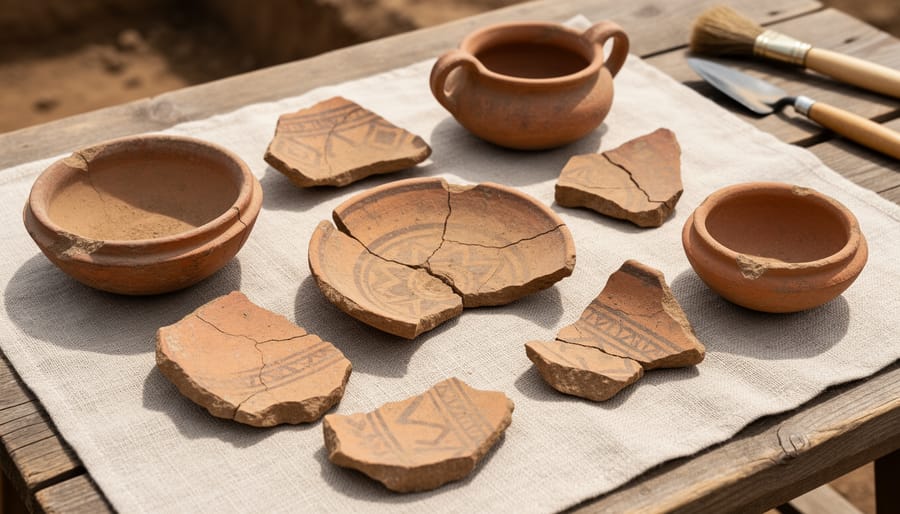
Biblical Archaeology Review excels at bringing Scripture to life through well-researched articles that connect archaeological findings directly to biblical accounts. Each issue typically features 4-6 major articles exploring topics like ancient Israelite worship practices, the historical accuracy of Gospel settings, or recent excavations at biblical sites such as Megiddo, Jerusalem, or Capernaum.
The magazine presents discoveries in a way that honors the biblical text while acknowledging scholarly debate. You’ll find articles examining everything from Dead Sea Scroll fragments that illuminate Old Testament passages to pottery shards that confirm details about daily life in Jesus’ time. Writers explain how a newly uncovered inscription might clarify a difficult verse or how architectural remains help us understand Temple worship described in Leviticus.
What sets the content apart is its direct relevance to Scripture reading. Rather than focusing solely on academic archaeology, articles consistently answer the question: “How does this help me understand God’s Word better?” A piece on first-century fishing methods, for instance, will connect those details to Jesus’ parables and His call of the disciples, making familiar passages suddenly vivid and meaningful in fresh ways.
Accessibility and Readability
Biblical Archaeology Review strikes a thoughtful balance that makes it accessible to most Christian readers, even those without formal training in archaeology or ancient languages. The magazine translates complex archaeological findings into everyday language, avoiding dense academic jargon that might discourage readers who simply want to understand their Bibles better.
Articles typically explain technical terms when they’re introduced and provide context for historical periods and geographical locations. You won’t need a seminary degree to follow along. Most pieces read like engaging stories rather than dry research papers, with writers who clearly care about communicating discoveries to curious believers rather than impressing fellow scholars.
That said, some articles do dive deeper into technical details, especially when discussing pottery dating methods or linguistic analysis. These sections might challenge newer Christians or casual readers. However, the magazine’s editors wisely break up denser content with sidebars, maps, and photographs that reinforce key points visually.
The layout itself aids comprehension. Short paragraphs, clear subheadings, and pull-quotes help you navigate articles and grasp main ideas even if you skim. For Bible study purposes, this accessibility means you can actually apply what you learn rather than getting lost in academic minutiae.
Visual Learning and Engagement
Biblical Archaeology Review excels at bringing ancient settings to life through rich visual content. Full-color photographs showcase excavation sites, artifacts, and landscapes where biblical events unfolded, seeing the actual stones of Herod’s temple or the terrain of the Judean wilderness makes Scripture passages feel immediate and real. Detailed maps help you trace Paul’s missionary journeys or understand Israel’s geographical challenges, while architectural reconstructions let you picture Solomon’s temple or first-century synagogues as they originally appeared.
The illustrations aren’t just decorative; they’re teaching tools. Diagrams explain complex archaeological techniques and timelines, making scholarly discoveries accessible. You’ll find side-by-side comparisons of artifacts with biblical descriptions, pottery timelines showing different periods, and cutaway views of ancient structures. This visual approach works beautifully for different learning styles, helping those who grasp concepts better through images rather than text alone. The magazine understands that many readers aren’t academics, they simply want to see where Jesus walked and what daily life looked like in biblical times.
What You’ll Find in Each Issue
Each issue of Biblical Archaeology Review follows a thoughtful structure designed to help readers explore the biblical world from multiple angles. Understanding this organization lets you quickly find content that aligns with your current Bible study methods and interests.
The magazine opens with feature articles, in-depth explorations of recent discoveries, excavations, and scholarly debates. These pieces form the heart of each issue, often connecting specific findings to familiar biblical narratives. You might read about newly uncovered evidence related to King David’s reign, analysis of Dead Sea Scroll fragments, or insights into first-century synagogue life that illuminates Jesus’ teaching ministry.
| Section | Focus | How It Supports Bible Study |
|---|---|---|
| Feature Articles | Major discoveries and excavations | Provides historical context for biblical events and figures |
| Strata | News briefs and updates | Keeps you informed about ongoing research affecting Scripture understanding |
| Queries & Comments | Reader questions and expert responses | Addresses practical questions Christians have about archaeology and Scripture |
| Reviews | Book and exhibit evaluations | Guides you to additional resources for deeper study |
The Strata section offers bite-sized updates, recent finds, conference announcements, and corrections to previous articles. This keeps you current without requiring lengthy reading. Queries & Comments creates a dialogue between readers and scholars, answering specific questions about biblical sites, dating methods, or interpretation debates.
Book reviews help you discern which archaeology-related resources merit your investment, while exhibit reviews highlight museum displays worth visiting. Each issue typically includes stunning photography, detailed maps, and reconstruction drawings that bring ancient contexts to life, transforming abstract historical periods into vivid visual experiences that deepen your connection to Scripture’s setting.
How We Evaluated This Magazine
Our evaluation of Biblical Archaeology Review reflects the priorities of Christians who want their study resources to honor God’s Word while expanding their understanding of Scripture’s historical setting. We approached this review with prayer and careful consideration, recognizing that readers trust us to assess whether this magazine serves their spiritual growth and biblical literacy.
We examined the magazine through six essential lenses:
- Scriptural faithfulness, whether archaeological findings are presented in ways that respect the Bible’s authority and accuracy
- Accessibility for everyday believers, how well articles communicate complex discoveries without requiring specialized academic training
- Practical application to Bible study, whether content helps readers understand Scripture more deeply in their personal or group study
- Balance between scholarship and devotion, if the magazine maintains academic integrity while remaining relevant for faith communities
- Quality of visual aids, how effectively maps, photographs, and illustrations bring biblical lands and artifacts to life
- Feedback from Christian readers, real experiences shared by believers who use the magazine in their study practice
This faith-informed framework ensures we’re not simply judging Biblical Archaeology Review as an academic publication, but as a tool that serves the body of Christ. We consulted pastors, Bible study leaders, and committed Christians who value both scholarly excellence and spiritual edification. Our goal was to answer the question every thoughtful believer asks: does this resource draw me closer to understanding God’s Word in its fullness?
Considerations for Christian Readers
While Biblical Archaeology Review offers tremendous value for faith-informed study, Christian readers should approach it with discernment and an awareness of its academic rather than devotional focus. The magazine prioritizes scholarly research and archaeological evidence, which means articles sometimes present multiple interpretive perspectives or discuss theories that may differ from traditional faith understandings.
Some contributors write from secular academic backgrounds, while others integrate faith perspectives into their scholarship. This diversity can enrich your understanding of how different scholars view the same evidence, but it also means you’ll occasionally encounter viewpoints that challenge conventional interpretations or raise questions about biblical narratives. Rather than seeing this as threatening, view it as an opportunity to think more deeply about Scripture and the evidence supporting it.
The magazine’s scholarly tone differs significantly from devotional publications. You won’t find pastoral applications, prayer prompts, or direct spiritual guidance. Instead, articles focus on material culture, historical context, and archaeological methodology. This approach complements rather than substitutes for devotional reading and Bible study resources.
Maintain a balanced perspective by engaging with Biblical Archaeology Review alongside Scripture-centered study tools, trusted commentaries, and your faith community. When articles present theories or interpretations you find unsettling, bring those questions to prayer, discuss them with mature believers, and research multiple perspectives. Critical thinking and faith aren’t opposites; God invites us to love Him with our minds as well as our hearts, and archaeology can be one tool among many for understanding His Word more fully.
Practical Ways to Use Biblical Archaeology Review

Biblical Archaeology Review becomes most valuable when you weave it into your regular spiritual practices rather than letting issues pile up unread. Here’s how to make the magazine a living part of your faith journey.
Start with your personal quiet time. When you’re studying a particular book of the Bible, scan recent issues for articles about that region or time period. If you’re reading through Acts, for example, an article about first-century Roman cities suddenly transforms from interesting trivia into illuminated context that helps you dive deeper into Paul’s missionary journeys.
- Keep current issues near your Bible study space for quick reference when passages mention unfamiliar places or customs
- Use magazine maps during group discussions to visualize biblical journeys and locations
- Clip or bookmark articles related to upcoming sermon series for enhanced preparation
- Share relevant discoveries with your small group to ignite your passion for Scripture’s historical reality
- Create a simple filing system organizing articles by biblical book for future teaching or study needs
Sunday school teachers and small group leaders find the magazine especially practical for preparation. A photograph of an actual synagogue from Jesus’ time or a map showing the exact route of the Exodus brings Scripture alive for visual learners. Pair the magazine with other Bible study resources like commentaries and devotionals for a well-rounded approach that honors both faith and scholarship.
How We Chose This List
We approached this review through the lens of faith-informed scholarship, recognizing that many Christians want to deepen their Bible study without compromising their trust in Scripture. Our evaluation criteria centered on how well Biblical Archaeology Review serves believers seeking to understand God’s Word in its historical context.
We examined the magazine’s commitment to presenting archaeological evidence fairly while respecting the biblical text. This meant assessing whether articles help illuminate Scripture or introduce unnecessary skepticism. We looked at accessibility, can everyday Christians engage with the content, or does it require advanced academic background?
We considered the balance between scholarly rigor and readability, evaluating how technical language is explained and whether faith perspectives are acknowledged. The quality and relevance of visual resources mattered, too, since maps and photographs help readers visualize biblical settings.
Reader feedback from Christian communities informed our assessment, particularly regarding how the magazine fits into personal Bible study and group discussions. We also weighed the magazine’s reputation among both archaeological professionals and Christian educators to ensure we were recommending a respected, reliable resource that honors both faith and scholarship.
Frequently Asked Questions
Does Biblical Archaeology Review support biblical accuracy?
The magazine presents archaeological findings objectively, often illuminating Scripture’s historical reliability. While it maintains academic standards and occasionally includes diverse scholarly perspectives, many discoveries featured reinforce biblical accounts and settings, helping Christians see the historical foundation of their faith.
Is this magazine suitable for new believers or those without archaeological background?
Absolutely. The articles are written for general readers, not just scholars, and explain archaeological concepts clearly. New believers can benefit from seeing the tangible evidence of biblical lands and cultures, though starting with one or two articles per issue keeps it manageable.
How does it compare to devotional magazines?
Biblical Archaeology Review complements rather than replaces devotional publications. Where devotional magazines focus on spiritual application and daily encouragement, this magazine provides historical and cultural context that enriches your understanding of Scripture itself.
What subscription options are available?
The magazine offers both print and digital subscriptions, with options for individual issues or annual subscriptions. Digital access often includes searchable archives, making it easier to research specific topics or biblical locations.
Will I encounter perspectives that challenge my faith?
The magazine includes scholars from various backgrounds, which means you’ll occasionally find differing interpretations. Approach these with discernment, viewing them as opportunities to think critically and deepen your own convictions rather than threats to faith.
How often is new content published?
Biblical Archaeology Review is published bimonthly, giving you six issues per year. This schedule allows time to read and reflect on each issue without feeling overwhelmed.
These questions reflect what many Christians wonder before subscribing. The magazine serves as a valuable tool for those wanting to study Scripture with greater historical awareness, though it works best alongside other Bible study resources. Your personal study goals and interests will guide whether it’s the right fit for your faith journey.
Biblical Archaeology Review offers a meaningful way to encounter Scripture with fresh eyes, grounding your faith in the tangible reality of God’s work throughout history. When you see how archaeological discoveries illuminate the world of the Bible, familiar passages take on new depth and clarity.
This magazine serves as a trusted companion for Christians who want their Bible study enriched by historical context without compromising reverence for God’s Word. Whether you’re leading a small group, preparing lessons, or simply deepening your personal understanding, the insights you’ll gain can transform how you read and apply Scripture.
As you consider whether this resource fits your spiritual journey, ask God to guide your decision. Every tool that helps us understand His Word more fully is worth exploring with an open heart. The archaeological evidence doesn’t replace faith, it often strengthens it, showing how Scripture stands firm against the test of time and scholarship.
May your pursuit of biblical knowledge draw you closer to the Lord, enriching your walk with Him through both ancient discoveries and timeless truth. Whatever resources you choose, keep seeking, keep learning, and keep growing in the grace and knowledge of our Savior.