
Art inspired by the Bible transforms sacred Scripture into visual expressions that deepen faith, invite worship, and make God’s truth accessible across every age and culture. From Michelangelo’s Sistine Chapel ceiling to a child’s drawing of Noah’s ark in Sunday school, biblical art serves as both an act of worship and a bridge between eternal truths and human hearts. This creative expression isn’t reserved for master painters or professional musicians. Every believer who feels the stirring to create carries a calling that mirrors the nature of our Creator God.
The connection between faith and creativity runs through Scripture itself. God introduced Himself as the ultimate Artist in Genesis, speaking beauty and order into existence. Later, He filled Bezalel with His Spirit, giving him skill to craft the tabernacle’s sacred furnishings. The Psalms overflow with artistic expression, David’s words painting emotion and devotion that still resonate thousands of years later. When we create art rooted in biblical themes, we participate in something profoundly spiritual: we reflect God’s image as creators and tell the greatest story ever written in ways that touch souls words alone cannot reach.
Today’s creative ministries embrace remarkable diversity. Painters capture the drama of Exodus. Dancers interpret the joy of Psalm 150. Dramatists reenact the parables. Sculptors shape clay into reminders of how God molds us. Poets give voice to the Spirit’s whisper. Each art form offers unique ways to proclaim truth, serve the body of Christ, and draw others toward the hope we carry.
The Biblical Foundation for Creative Ministry

The Bible reveals creativity as central to God’s character from the very first verse: “In the beginning God created the heavens and the earth” (Genesis 1:1). This divine creativity didn’t stop at the physical world. When God formed humanity, He declared, “Let us make mankind in our image, in our likeness” (Genesis 1:26), establishing that our creative capacity reflects the Creator Himself. Every brushstroke, melody, and crafted word echoes this image-bearing identity.
Scripture provides powerful examples of artistic gifts dedicated to God’s purposes. One of the most striking appears in Exodus, when God called a craftsman named Bezalel to create the tabernacle furnishings:
Then the Lord said to Moses, “See, I have chosen Bezalel son of Uri… and I have filled him with the Spirit of God, with wisdom, with understanding, with knowledge and with all kinds of skills, to make artistic designs for work in gold, silver and bronze, to cut and set stones, to work in wood, and to engage in all kinds of crafts.” (Exodus 31:1-5)
Notice that Bezalel was filled with God’s Spirit specifically for artistic work. His creativity wasn’t separate from his spiritual calling, it was the calling itself. God equipped him with technical skill, artistic vision, and craftsmanship to build something beautiful for worship.
This pattern continues throughout Scripture. David composed psalms that became Israel’s songbook. The temple Solomon built was an architectural and artistic masterpiece designed to reflect God’s glory. The prophets used vivid imagery and poetic language to communicate divine truth. These weren’t sideline activities. They were ministries that drew people closer to God.
The New Testament reinforces this connection. Paul reminds us we are God’s “handiwork, created in Christ Jesus to do good works” (Ephesians 2:10). The Greek word for “handiwork” is poiema, from which we get “poem”, we are God’s artworks, created to create. For deeper biblical encouragement about creativity as worship, explore these 10 inspiring Bible verses that celebrate artistic expression.
Forms of Bible-Inspired Art in Ministry Today
Visual Arts: Painting, Sculpture, and Illustration
Visual artists have long turned biblical stories into powerful images that help believers see Scripture with fresh eyes. Painters capture moments like the Annunciation, the Crucifixion, or Pentecost, using color and composition to evoke emotion and invite contemplation. Sculptors create three-dimensional representations of faith, from carved altarpieces to modern installations that interpret parables or prophetic visions. Churches commission murals, stained glass, and banners that transform worship spaces into visual narratives of God’s story.
Many artists today design Bible study materials, creating illustrations that clarify complex passages or historical contexts for small groups and Sunday schools. Digital artists use graphic design, animation, and social media graphics to share verses and biblical themes with online audiences, meeting people where they already spend time. Understanding symbols in Christian art like the lamb, the dove, or the cross, helps artists communicate deep theological truths through simple, recognizable imagery. Whether through traditional oil painting or iPad illustration, visual artists make Scripture tangible, memorable, and accessible to diverse learners and seekers.
Music and Worship Arts
Music rooted in Scripture has always been central to Christian worship, from the Psalms sung in ancient Israel to the sacred music filling sanctuaries today. Songwriters and composers mine the Bible for lyrics, melodies, and themes that lead congregations into authentic worship and personal encounter with God.
Hymn writers throughout history have turned verses directly into singable theology. Think of classics like “A Mighty Fortress Is Our God” (based on Psalm 46) or contemporary worship songs that quote Isaiah, the Gospels, or Revelation word-for-word. Many modern worship leaders craft setlists around specific biblical narratives, creating musical journeys through creation, redemption, or the life of Christ.
Instrumental ministry also draws from Scripture’s rich imagery. Pianists, guitarists, and orchestral musicians compose pieces inspired by biblical scenes or meditate on passages through sound, offering wordless worship that speaks to the heart. Worship teams collaborate to translate the emotional depth of Scripture into arrangements that help believers pray, confess, celebrate, and surrender.
Whether writing original songs, leading congregational singing, or playing instrumentals during prayer, musicians in Christian ministry use their gifts to make God’s Word memorable, singable, and deeply felt.
Drama, Dance, and Performance
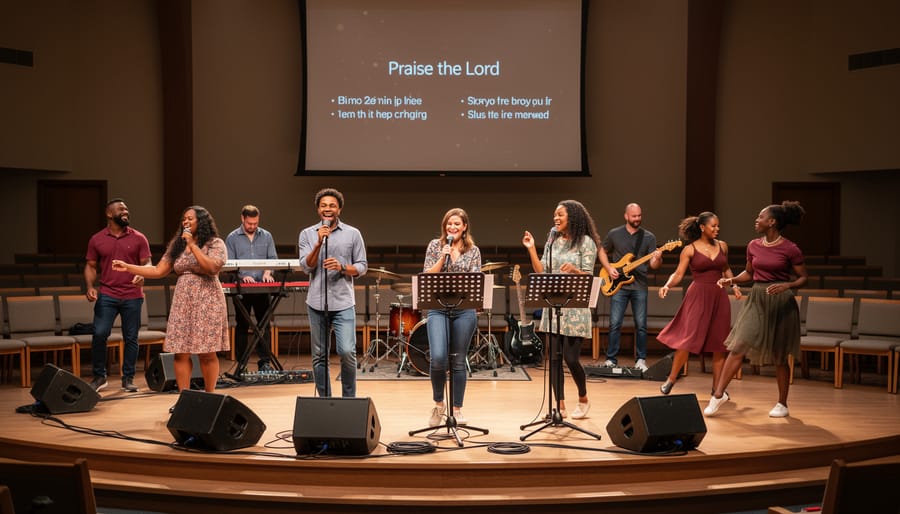
Biblical narratives practically beg for embodiment, and performance arts answer that call with power. Churches increasingly recognize that drama, dance, and movement can communicate Scripture’s emotional depth in ways spoken words alone cannot. These art forms engage the whole body in worship, making them particularly effective for kinesthetic learners and visual seekers.
Theatrical productions range from simple nativity pageants to fully-staged passion plays that draw hundreds of spectators. Some congregations develop drama teams that present biblical vignettes during services, while others mount ambitious productions like retelling the Book of Esther or dramatizing parables for Easter and Christmas outreach. These performances make ancient stories immediate and relatable, helping audiences connect emotionally with characters like David, Ruth, or the prodigal son.
Liturgical dance ministries use choreographed movement to express worship, often interpreting psalms, worship songs, or biblical themes through graceful, reverent motion. Dancers might illustrate creation’s unfolding, embody the joy of resurrection, or physically portray spiritual warfare, translating abstract concepts into visible testimony that stirs hearts and opens eyes to Scripture’s layers of meaning.
Literary Arts and Storytelling
Poetry and creative writing transform biblical truths into fresh expressions that resonate with modern readers. Christian poets craft verses that explore the emotions of biblical characters, David’s anguish in the psalms, Mary’s wonder at the annunciation, Peter’s remorse after denial. These imaginative retellings help readers connect personally with Scripture’s human dimensions.
Devotional literature takes biblical principles and weaves them into daily reflections, parables for our time, and narrative meditations. Writers like Max Lucado and Ann Voskamp demonstrate how storytelling can make ancient wisdom immediately applicable, turning doctrine into lived experience. Their work doesn’t replace Scripture but creates pathways into it.
Oral storytelling remains powerful in ministry contexts. Dramatic monologues presented from biblical perspectives, sermon illustrations that expand scriptural scenes, and children’s ministry stories all bring the Bible off the page. These verbal arts make Scripture memorable and accessible, especially for those who learn through listening.
Short fiction rooted in biblical themes, whether contemporary parables or historical reimaginings of gospel events, invites readers to see their own struggles mirrored in timeless truths. This literary ministry meets people where questions linger, offering biblical wisdom through compelling narrative.
Crafts and Decorative Arts

Handcrafted items infused with Scripture bring biblical truth into everyday life through tactile beauty. Fiber artists create quilts featuring verses or biblical symbols, knit prayer shawls for comfort ministry, or weave banners that proclaim God’s character during worship. Calligraphers transform passages into visual treasures, wall art, bookmarks, or hand-lettered Bible journals that slow readers down to meditate on each word. Potters inscribe vessels with reminders of God as our creator and sustainer, echoing Jeremiah 18.
These crafts serve multiple ministry purposes: personalized gifts for life milestones, fundraising items supporting missions, teaching tools for children, or comfort objects for hospital visitation. The repetitive, meditative nature of crafting itself becomes prayer, while finished pieces carry Scripture into homes, offices, and hearts. Even beginners can start simply, decorating cards with verses, making bookmarks, or painting rocks with encouraging words, turning everyday creativity into quiet ambassadors of faith.
How to Start or Join a Bible-Inspired Creative Ministry
Starting a creative arts ministry begins with recognizing that God has already equipped you with creative gifts, whether you’re a seasoned artist or someone just discovering your talents. The journey from recognizing these gifts to actively serving through them doesn’t require professional credentials, just a willing heart and a commitment to glorifying God through your creativity.
- Pray for discernment about your specific creative calling. Ask God to reveal which art forms resonate most deeply with you and how He might want to use them in ministry. Consider the moments when you feel most alive creatively and where your gifts might meet genuine needs in your church or community.
- Connect with your church leadership to discuss possibilities. Share your vision with pastors or ministry coordinators, asking where creative expression could enhance existing programs or fill gaps. Many churches are eager for creative volunteers but haven’t articulated these needs clearly.
- Start small and specific rather than launching a massive program. Offer to create bulletin covers with Scripture art, lead a single workshop on biblical journaling, or provide music for one special service. These manageable commitments let you test your approach and build momentum.
- Find or form a community of fellow creative believers. Look for existing art groups in your church, join online communities focused on faith-based creativity, or start a monthly gathering where Christians can create together while discussing how their work connects to Scripture.
- Set clear ministry goals that go beyond personal expression. Define who you’re serving, what spiritual impact you hope to create, and how you’ll measure whether your creative work is truly ministering to others rather than just showcasing your talents.
If your church doesn’t have structured creative ministries, consider starting informally. Invite a few friends to explore biblical themes through your chosen art form, whether that’s painting, writing, music, or another medium. Document what works, gather feedback, and let the ministry grow organically as others catch the vision.
Remember that joining an existing ministry can be just as impactful as starting your own. Volunteer for the worship team, drama group, or visual arts committee. Offer your skills to children’s ministry, where creative Bible teaching makes lasting impressions. Every contribution matters when it’s rooted in Scripture and offered as worship to God.
The Impact of Bible-Inspired Art on Faith Communities
Bible-inspired art transforms faith communities in ways that traditional teaching alone sometimes can’t reach. When a church drama team reenacts the prodigal son, congregation members don’t just hear the parable, they feel the father’s anguish and the son’s shame. That emotional connection makes Scripture stick. Creative ministries open new pathways for the Holy Spirit to speak, meeting people where words fall short.
Worship deepens when visual art surrounds believers with biblical truth. A painting of the crucifixion in a prayer chapel invites meditation that goes beyond Sunday sermons. Seeing a potter shape clay while reflecting on Jeremiah 18 turns abstract theology into tangible reality. These experiences create space for encounter, allowing Scripture to move from head knowledge to heart transformation.
Young people especially respond to creative expressions of faith. A teen who finds traditional Bible study dry might discover passion through spoken word poetry based on the Psalms or by designing graphics for church social media that share Scripture. Art meets the next generation in their visual, media-saturated world, making ancient texts feel immediate and relevant.
Creative ministries also reach seekers who wouldn’t walk into a Bible study. A community art show featuring members’ biblical interpretations invites neighbors to engage with Scripture through beauty rather than doctrine. A musical performance of the Christmas story draws crowds who’ve never opened a Bible, planting seeds through story and song.
Perhaps most importantly, collaborative art projects build genuine community. When church members create a mural together depicting their favorite Bible stories, or when a worship dance team rehearses weekly, they’re doing more than making art, they’re forming bonds, sharing testimonies, and encouraging one another’s faith. These creative spaces become safe places for vulnerability, where believers support each other’s spiritual journeys while using their gifts to glorify God.
Common Questions About Bible-Inspired Creative Ministries
Many believers hesitate to embrace creative ministry because they’re unsure if their art truly honors God or if they’re “qualified” to serve this way. These questions are natural and important, thoughtful artists want to ensure their work remains rooted in Scripture and serves the body of Christ well.
Is art really a ministry?
Yes. When you create with the intention of glorifying God, serving others, or communicating biblical truth, your art becomes an act of worship and service. The Bible shows us that God specifically gifted Bezalel and Oholiab for artistic work in building the tabernacle, demonstrating that creativity is a legitimate calling within God’s purposes.
Do I need formal training to start?
Not at all. While training can refine your skills, God uses willing hearts more than polished technique. Many effective creative ministries begin with believers who simply offer what they have, whether that’s basic guitar skills, a love for writing, or enthusiasm for drama, and grow through practice and community.
How do I balance creativity with biblical accuracy?
Study the Scripture you’re interpreting carefully, consult trusted commentaries or pastors when needed, and remember that artistic interpretation doesn’t mean changing biblical truth. Your creative work should illuminate Scripture’s meaning, not distort it, think of your art as a window that helps others see God’s word more clearly.
What if my church doesn’t have creative ministries?
You might be the one God is calling to start something new. Talk with your pastor about your gifts and vision, start small (perhaps offering to create bulletin covers or lead a children’s art activity), and connect with other believers who share your creative interests to build momentum together.
Remember that every artist faces moments of doubt or creative struggle. The key isn’t perfection, it’s faithfulness. When you’re wrestling with whether your work serves God’s purposes, bring those questions to Him in prayer and seek wisdom from mature believers in your community. Your willingness to create thoughtfully and humbly is itself an act of worship.
Throughout history and into this very moment, the Bible has stirred the hearts and hands of believers to create. From Bezalel’s divinely gifted craftsmanship in the tabernacle to the worship song you’ll hear this Sunday, God delights in using our creativity for His glory.
You don’t need to be a master painter or accomplished musician to participate. Perhaps you sketch during prayer, write poetry about God’s faithfulness, arrange flowers for your church lobby, or help with children’s ministry crafts. These are all acts of worship when offered to the One who first imagined color, rhythm, and beauty itself.
The Bible isn’t just a source of inspiration, it’s an invitation. God made you in His image, which means creativity pulses through you by design. That creative spark, however small it may feel right now, can illuminate someone’s path to faith, deepen a fellow believer’s understanding, or simply bring joy that points back to the Giver of all good gifts.
Start where you are. Create what you can. Whether you’re beginning a creative ministry at your church or simply making something beautiful in your own quiet space, you’re participating in a tradition as old as Scripture and as fresh as today’s sunrise. Your art matters because it flows from the heart of a creative God who loves you.