
The four stages of spiritual development are a biblical framework describing how believers progress from initial faith to mature discipleship: the infant stage (new believers dependent on others), the child stage (learning but self-focused), the young adult stage (serving and fighting spiritual battles), and the parent stage (reproducing faith in others). This progression isn’t about age or how long someone has attended church. It’s about the depth of relationship with God and the capacity to help others grow.
Understanding where you are in your spiritual journey matters because growth doesn’t happen by accident. Many Christians plateau at early stages, wondering why their faith feels stagnant or why they struggle with the same issues year after year. Some have believed for decades yet still operate like spiritual infants, dependent on others to feed them truth rather than discovering it themselves. Others serve tirelessly but haven’t learned to mentor the next generation.
This framework, drawn from passages like 1 John 2:12-14 and Hebrews 5:11-14, gives you a roadmap. It helps you recognize the characteristics of genuine spiritual maturity, identify obstacles that keep you stuck, and take intentional steps forward. Whether you’re a new believer trying to establish healthy foundations or a seasoned Christian wanting to finish strong, knowing these stages equips you to assess your growth honestly and pursue the depth God intends for your faith. The goal isn’t simply to label yourself but to move forward with purpose, becoming the kind of believer who not only walks closely with God but draws others into that same transformative relationship.
What the 4 Stages of Spiritual Development Mean
Spiritual development stages are progressive phases that describe how a believer’s relationship with God deepens and matures over time. Just as a child grows from infancy to adulthood through predictable developmental milestones, Christians move through distinct seasons of faith that reflect increasing spiritual understanding, Christ-like character, and kingdom effectiveness.
These stages aren’t a ladder you climb through human effort or religious performance. Rather, they’re a biblical framework for recognizing where you are in your walk with God and what your next steps might look like. The apostle John wrote to “little children,” “young men,” and “fathers” in the faith, acknowledging that believers exist at different levels of maturity (1 John 2:12-14). Paul similarly described some Christians as needing milk while others were ready for solid food (1 Corinthians 3:1-2).
Understanding these stages helps clarify several important concepts:
- Spiritual Maturity
- The process of becoming more like Christ in character, wisdom, and love, marked by increasing fruit of the Spirit and decreasing dependence on others for basic spiritual nourishment.
- Discipleship
- The intentional journey of following Jesus, learning His teachings, and being transformed by His Spirit through obedience and relationship.
- Sanctification
- God’s ongoing work of making believers holy, setting them apart for His purposes and conforming them to Christ’s image throughout their lives.
- Faith Journey
- The personal and often non-linear path each believer walks with God, encompassing seasons of growth, testing, revelation, and deepening trust.
The journey from new faith to mature discipleship isn’t always linear. You might advance quickly in one area while struggling in another. Life circumstances, trials, or seasons of doubt can feel like setbacks, but God uses all of it to shape you. These stages simply provide language for understanding where you are and where God is inviting you to grow next, always remembering that His grace meets you exactly where you stand today.
How Spiritual Development Works
The Role of Scripture and Prayer

Scripture and prayer form the essential conduits through which God speaks to us and we respond to Him, fueling movement from one stage of spiritual development to the next. The Bible serves as our roadmap, revealing God’s character, His promises, and His expectations for our lives. As we read and meditate on Scripture, the Holy Spirit illuminates truth, challenges our assumptions, and transforms our thinking, moving us from spiritual infancy toward maturity.
Prayer completes this vital cycle of communication. When we make prayer daily a consistent practice, we cultivate intimacy with God, learn to hear His voice, and align our desires with His will. New believers often approach prayer as a means of asking for help, while mature disciples discover it as ongoing conversation and communion with their Heavenly Father.
Together, Scripture and prayer create a rhythm of listening and responding that accelerates spiritual growth. The Word provides the substance of what we need to know, while prayer offers the relationship in which that knowledge becomes transformative. Believers who neglect either component find their development stunted, while those who engage both consistently experience steady progression through the stages of faith maturity.
The Importance of Christian Community

Spiritual growth rarely happens in isolation. Throughout Scripture, we see believers gathering, encouraging one another, and maturing together. The writer of Hebrews urges us to “consider how we may spur one another on toward love and good deeds, not giving up meeting together” (Hebrews 10:24-25). This communal aspect isn’t optional, it’s essential.
Christian community provides the accountability that keeps us anchored when faith feels difficult. When a new believer struggles with doubt, seasoned Christians can share how they’ve wrestled through similar questions. When a growing disciple faces temptation, a small group offers prayer support and honest conversation about real struggles.
Mentorship relationships create pathways for believers to move forward in their journey. Paul discipled Timothy, who then taught others (2 Timothy 2:2). This pattern repeats throughout church history. Mature believers invest in those behind them, sharing both wisdom and mistakes learned along the way.
Fellowship also reveals blind spots we can’t see alone. Through loving correction and encouragement, other believers help us recognize pride, address sin patterns, and develop Christ-like character. We sharpen one another like iron sharpens iron (Proverbs 27:17), becoming more effective disciples through genuine relationships built on mutual commitment to growth.
The Four Stages of Spiritual Growth
Stage 1: The Seeker or New Believer
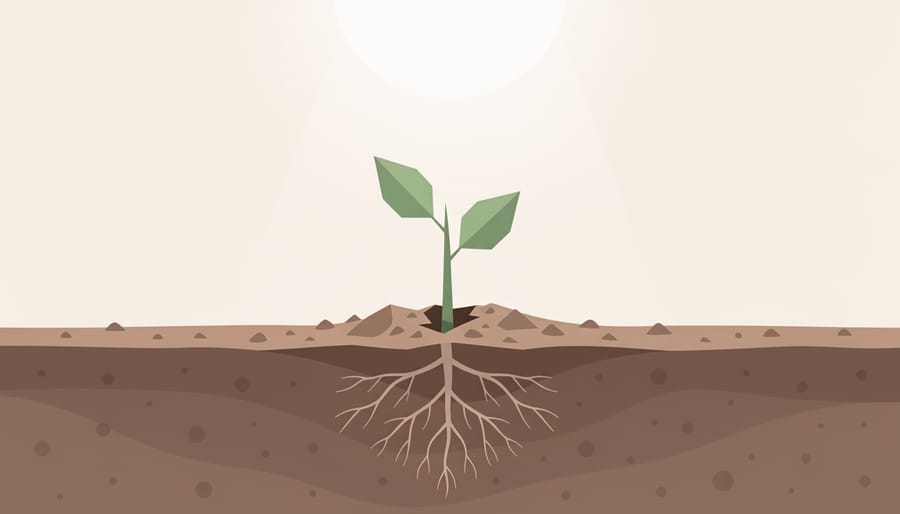
Stage 1 arrives when someone first encounters Christ or begins seriously exploring the Christian faith. These seekers and new believers burn with fresh enthusiasm, yet they’re taking their earliest steps on an unfamiliar path. They depend heavily on others for direction, and their questions flow constantly: What does this passage mean? How do I pray? What should I believe about that?
The Ethiopian eunuch shows this stage beautifully. Sitting in his chariot reading Isaiah, he was genuinely seeking but needed Philip to explain what the prophet meant (Acts 8:26-39). Once he understood the good news about Jesus, he wanted immediate baptism. That eagerness marks Stage 1, a hunger to learn paired with humble recognition that guidance matters.
Nicodemus appears in John 3 asking Jesus foundational growth questions about being “born again.” As a Pharisee, he had religious knowledge, yet he came at night, uncertain, wanting to understand this teacher’s message. His questions weren’t challenges but genuine inquiry from someone at the threshold of real faith.
New believers often experience spiritual highs, worship feels electric, Scripture jumps off the page, God’s presence seems tangible. They’re discovering truths that others take for granted, and everything feels significant. At the same time, they need patient teachers who remember their own early confusion and can explain basics without condescension.
This stage isn’t lesser because it’s first. Jesus never minimized childlike faith. Stage 1 believers bring fresh perspective and contagious joy that mature Christians sometimes lose. Their dependence on God and their community models the trust we all need, regardless of how long we’ve walked with Christ.
Stage 2: The Growing Disciple
Stage 2 marks a transition from initial excitement to deeper, more deliberate faith formation. Growing disciples move beyond surface-level belief into intentional pursuit of God through consistent spiritual practices. These believers dedicate regular time to Scripture reading, often working through entire books of the Bible rather than isolated verses. Their prayers shift from primarily asking for things to also including worship, confession, and listening for God’s direction.
You’ll notice growing disciples asking harder questions than new believers. They wrestle with theological concepts, seek to understand how faith applies to daily decisions, and begin recognizing patterns of sin in their lives they want to address. This stage involves joining Bible studies, serving in church ministries, and forming meaningful relationships with other Christians who challenge and encourage growth.
Doubt and testing often surface during Stage 2. When faith faces real-world pressures or unanswered prayers, the growing disciple must decide whether to press deeper into God or retreat to comfort. James teaches trials produce perseverance, and believers at this stage learn that spiritual maturity isn’t measured by the absence of struggles but by how they respond to them. The disciples during Jesus’s earthly ministry exemplify this stage, constantly learning from the Teacher, making mistakes, yet growing in understanding and commitment through every experience.
Stage 3: The Servant Leader

Stage 3 marks a significant shift from primarily receiving spiritual input to actively pouring into others. Believers at this level have moved beyond building their own foundation to helping construct the faith of those around them. They don’t just attend church, they serve, lead, and mentor with consistency.
The hallmark of this stage is spiritual fruit that others can see and benefit from. These believers demonstrate love, patience, and self-control in difficult circumstances. They’ve walked with God long enough to have stories of His faithfulness, and they share those experiences to strengthen others. Their faith isn’t theoretical anymore. It’s been tested through challenges and has proven resilient.
Servant leaders possess growing wisdom that comes from applying Scripture to real-life situations over time. They can answer questions, guide newer believers through struggles, and offer biblical perspective when emotions run high. They’re comfortable teaching a small group, leading a ministry team, or discipling someone one-on-one. Their spiritual disciplines have become integrated into daily life rather than feeling like obligations.
Timothy exemplifies this stage beautifully. Paul trusted him to lead churches, address conflicts, and teach sound doctrine despite his youth. Priscilla and Aquila similarly mentored Apollos, helping a gifted speaker understand the gospel more accurately. They used their home for ministry and their knowledge to build up the body of Christ.
Believers in Stage 3 still have room to grow, but they’ve reached a maturity level where their faith actively strengthens the church community around them.
Stage 4: The Spiritual Guide or Elder
Stage 4 represents the pinnacle of spiritual maturity, believers who have walked with Christ long enough to shepherd others with wisdom born from deep intimacy with God. These spiritual guides demonstrate consistent Christ-like character even under pressure, and their faith has been refined through decades of obedience, testing, and transformation.
What sets these believers apart isn’t perfect theology or flawless leadership, but profound love for God and people. They’ve learned to discern God’s voice through experience, and they carry a peace that comes from surrendering control repeatedly over years. Their prayers often reflect deep trust rather than desperate pleading, though they still wrestle with God when circumstances demand it.
Spiritual elders invest heavily in raising up the next generation of leaders. They mentor not through programs but through life-on-life relationship, sharing both victories and failures with humility. Their greatest joy comes from seeing others surpass them in ministry and faith. They’ve learned when to speak truth firmly and when to offer gentle grace, and they can hold both with equal conviction.
The apostle Paul exemplifies this stage, pouring himself out for the churches he planted, writing letters that shaped Christianity for millennia, and facing death with confidence in Christ. The apostle John, in his later writings, distills the faith to its essence: God is love, and we must abide in Him. Both demonstrated sacrificial love that transcended personal comfort or safety.
These believers become spiritual anchors for entire communities, providing stability during crisis and celebrating alongside those experiencing breakthrough. Their legacy extends across generations, not through their accomplishments, but through the lives they’ve touched and the disciples they’ve raised.
How Spiritual Development Shapes Leadership and Community
Recognizing Where People Are in Their Journey
Recognizing where someone stands in their faith journey requires both spiritual discernment and humble observation. Rather than labeling or judging, watch for patterns in how people engage with Scripture, prayer, and community. New believers often ask foundational questions and need clear guidance, while growing disciples seek deeper biblical understanding and wrestle with applying truth to daily life. Servant leaders naturally step into teaching or mentoring roles, and spiritual guides demonstrate consistent Christ-like character even during trials.
Pay attention to how individuals respond to spiritual challenges. Someone in an early stage might feel overwhelmed by complex theology, while a mature believer processes difficulties through established faith practices. Notice their questions, seekers ask “What does this mean?” while mature disciples ask “How can I help others understand this?”
Self-assessment matters too. Honestly evaluate your own spiritual rhythms, not to measure up but to identify your next growth step. Are you consistently in God’s Word? Do you mentor others? Can you shepherd someone through doubt?
In spiritual leadership recognizing these stages helps you meet people where they are. Offer seekers foundational teaching and patient answers. Give growing disciples opportunities for service and deeper study. Invite servant leaders into mentoring relationships. Support spiritual guides in their shepherding roles while encouraging their continued growth. This personalized approach honors each person’s unique journey with God.
Creating Pathways for Growth
Churches and ministries can create intentional pathways by designing programs that address the specific needs of each developmental stage. For seekers and new believers, establish welcoming environments like introductory Bible studies, newcomer classes, and mentor matching programs that provide foundational teaching without overwhelming complexity. Pair new believers with mature Christians who can answer questions and model authentic faith.
Growing disciples need structured opportunities to deepen their understanding and practice. Offer systematic Bible study courses, training in spiritual disciplines like prayer and fasting, and entry-level serving opportunities that build confidence. Small groups organized around life stages or interests provide safe spaces for wrestling with doubts and developing theological foundations.
For those transitioning into servant leadership, create clear ministry pathways with training, accountability, and opportunities to lead under supervision. Leadership development programs, teaching apprenticeships, and ministry team roles allow emerging leaders to exercise their gifts while receiving feedback. Faith-centered leadership training equips believers to serve from spiritual maturity rather than mere capability.
Spiritual guides need opportunities for continued growth through advanced theological study, spiritual direction relationships, and platforms to mentor the next generation. Eldership development, retreat facilitation training, and cross-generational mentoring initiatives honor their maturity while preventing stagnation. Regular assessment conversations help individuals identify their current stage and discern appropriate next steps without pressure or comparison.
Types of The 4 Stages of Spiritual Development
While the four stages framework we’ve explored provides one way to understand spiritual growth, different Christian traditions and theologians have described this journey in various ways. Some models identify three stages (purgative, illuminative, unitive), while others map out seven or more distinct phases. The core progression remains similar: moving from initial faith through deepening discipleship toward spiritual maturity.
You might also encounter frameworks that focus on specific aspects of development. Some emphasize emotional and relational maturity alongside spiritual growth. Others highlight the rhythm of seasons, times of active growth followed by quiet consolidation, or periods of spiritual dryness that paradoxically deepen faith. These aren’t contradictions but complementary perspectives on the same reality.
The value in understanding different models, including other Christian journey stages lies in recognizing that spiritual development isn’t one-size-fits-all. Your path may not look identical to another believer’s, and that’s okay. Some people experience dramatic conversion and rapid early growth. Others come to faith gradually and develop steadily over decades. Both paths honor God and lead toward Christlikeness.
What matters most isn’t which framework you use, but that you’re genuinely growing in love for God and others.
Common Questions About Spiritual Development Stages
As you explore these stages of spiritual development, you may find yourself wrestling with questions about your own journey or the experiences of those you’re mentoring. These common concerns reflect the reality that spiritual growth is deeply personal yet follows recognizable patterns.
Can you skip stages in spiritual development?
No, believers typically progress through each stage sequentially because each builds essential foundations for the next. A seeker needs to establish basic faith before growing as a disciple, and disciples need maturity before they can effectively shepherd others.
Is it possible to regress to an earlier stage?
While core spiritual growth isn’t lost, believers can experience seasons of struggle that feel like moving backward. Crisis, prolonged suffering, or unrepentant sin may cause us to function at an earlier stage temporarily, but God’s faithfulness remains constant and restoration is possible through repentance and renewed commitment.
How long does each stage typically last?
There’s no fixed timeline because spiritual growth depends on factors like depth of engagement with Scripture, community involvement, willingness to be transformed, and life circumstances God uses for refinement. Some believers remain in one stage for decades while others progress more rapidly through consistent discipleship.
What if I feel stuck in one stage?
Feeling stuck often signals a need for deeper surrender, new spiritual disciplines, honest community, or willingness to step into uncomfortable service opportunities. Pray for God to reveal barriers and seek guidance from mature believers who can help identify your next steps.
Understanding these realities helps you approach spiritual development with grace rather than performance anxiety. The stages aren’t meant to create hierarchy within the body of Christ or fuel comparison with others. Every believer, regardless of stage, is fully loved by God and valuable to His kingdom purposes.
Remember that spiritual maturity looks different for different people based on their unique calling, personality, and the specific ways God has gifted them. A quiet intercessor in Stage 3 may have profound impact without ever leading publicly, while someone naturally outgoing might move into visible leadership roles. God works with who you are, not who you think you should be.
If you’re assessing others’ spiritual stages as a leader or mentor, do so with humility and the recognition that only God sees the heart fully. External markers give clues, but the Holy Spirit alone knows the depth of someone’s walk with Christ.
Understanding where you are in your spiritual journey isn’t about performance or comparison. It’s about recognizing God’s patient work in your life right now. Whether you’re just beginning to explore faith, wrestling with doubts as a growing disciple, serving others with increasing confidence, or shepherding the next generation, your stage matters deeply to God.
There’s no shame in being new to faith, and there’s no arrival point where growth stops. The most mature believers often describe themselves as perpetual learners, always discovering fresh layers of God’s character and truth. What matters isn’t how quickly you move through the stages, but whether you’re staying open to the Holy Spirit’s gentle leading.
Your next step might be small: opening your Bible one more time this week, reaching out to a mentor, serving in a new way, or offering your hard-won wisdom to someone earlier in the journey. God doesn’t demand giant leaps. He invites steady, faithful steps forward.
Remember, spiritual growth rarely happens in isolation. We need each other. The seeker needs the servant leader’s example. The growing disciple needs the spiritual guide’s perspective. And every mature believer remembers what it felt like to take those first tentative steps toward Jesus.
Trust God’s timing in your journey. He’s faithful to complete the good work He’s begun in you, meeting you exactly where you are today and drawing you deeper into relationship with Him tomorrow.